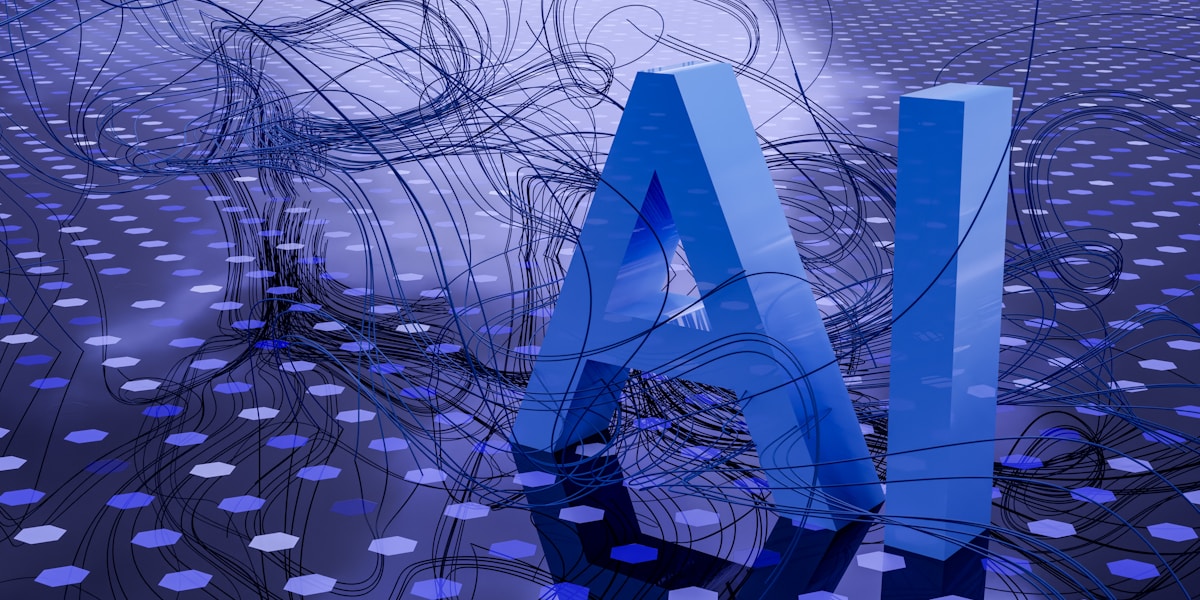
An in-depth analysis of how artificial intelligence is reshaping the job market, creating new roles, and the skills you need to stay ahead. Understanding the AI revolution is crucial for every professional.
The AI Revolution in the Workplace
Artificial intelligence is fundamentally transforming how we work. From automating routine tasks to augmenting human decision-making, AI is reshaping every industry and creating a new paradigm for employment.
But contrary to popular fear, AI is not simply replacing jobs — it is transforming them. New roles are emerging, existing roles are evolving, and the skills that matter most are shifting in profound ways.
Jobs Being Transformed
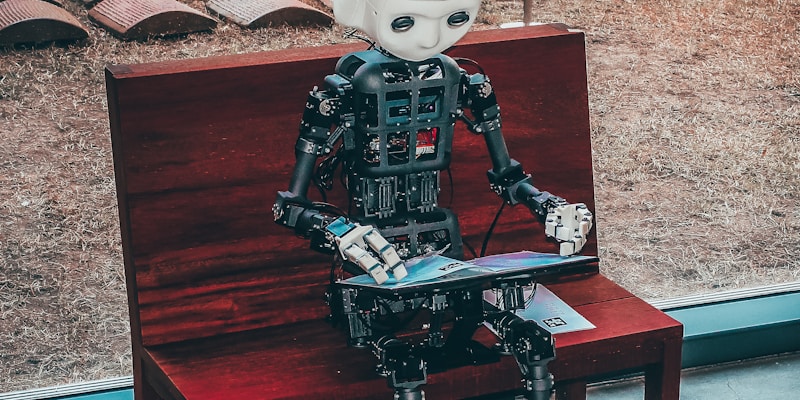
Rather than wholesale job elimination, what we are seeing is a transformation of roles. Professionals who learn to work alongside AI are becoming exponentially more productive and valuable.
- Customer service agents are becoming AI supervisors, handling complex edge cases while chatbots manage routine queries
- Data analysts are evolving into AI strategists who design and train intelligent systems
- Content creators are using AI as a creative collaborator, producing higher-quality work faster
- Software developers are leveraging AI pair programmers to write better code in less time
- Marketing professionals are using AI for hyper-personalization and predictive campaign optimization
New Roles Emerging
The AI revolution is creating entirely new job categories that did not exist five years ago. Prompt engineers, AI ethics officers, machine learning operations (MLOps) engineers, and AI trainers are just a few examples of roles that are in high demand.
Companies are also hiring for hybrid roles that combine domain expertise with AI literacy. A marketing manager who understands AI-powered analytics, or a healthcare administrator who can work with diagnostic AI systems, is incredibly valuable in today is market.
Skills for the AI Era
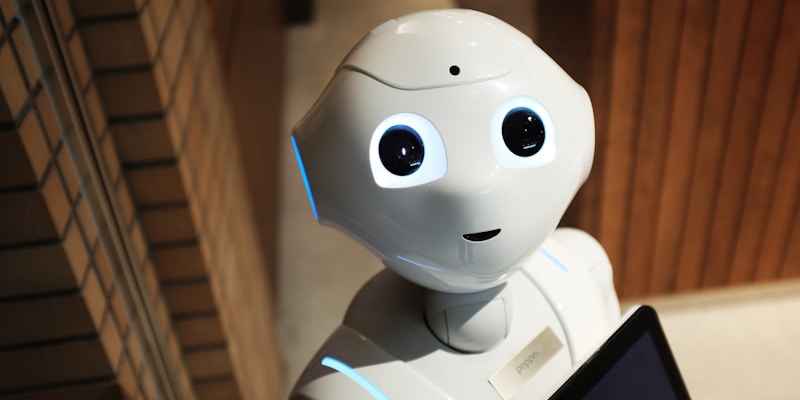
To thrive in the age of AI, professionals need to develop a combination of technical literacy, critical thinking, and uniquely human skills. Creativity, emotional intelligence, complex problem-solving, and adaptability are more important than ever.
The most future-proof career strategy is to become someone who can bridge the gap between AI capabilities and business needs — someone who understands both the technology and the human context in which it operates.
Conclusion
AI is not the end of work — it is the beginning of a new chapter. Professionals who embrace AI as a tool, invest in continuous learning, and develop uniquely human skills will find themselves more in demand than ever. The key is to see AI not as a threat, but as the most powerful productivity tool in history.